

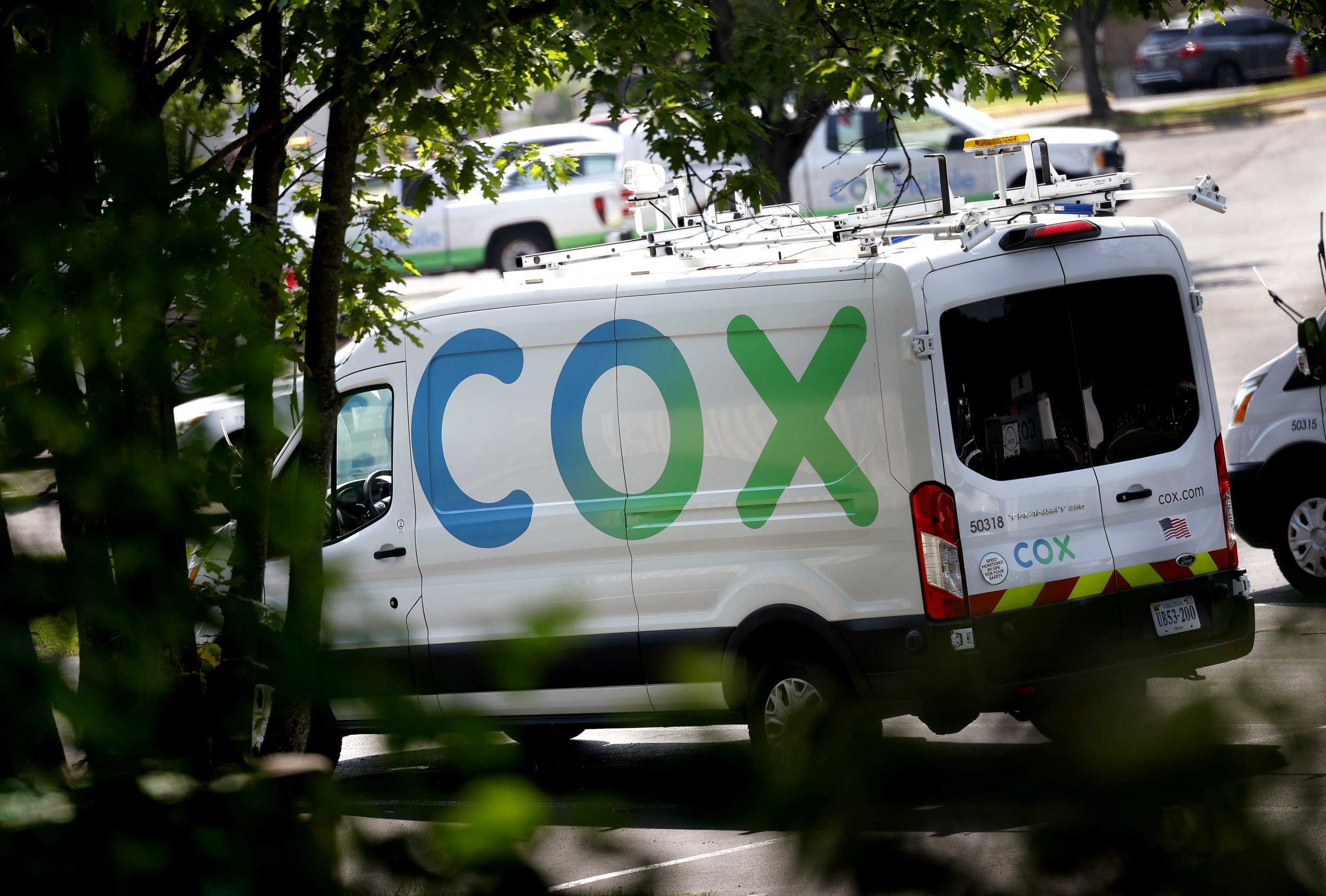
The U.S. Supreme Court Reverses a $1 Billion Copyright Verdict and, Arguably, Renders the DMCA Safe Harbor Obsolete
The Supreme Court unanimously reversed a $1 billion copyright verdict against Cox Communications, holding that an ISP is not contributorily liable for its subscribers’ infringement merely because it continues to serve known infringers. The decision also may have rendered the DMCA safe harbor obsolete.

Gracenote Sues OpenAI, and the Evidence Is in the Database Schema
Gracenote sues OpenAI for copying not just its media metadata, but the proprietary relational framework that organizes it. The complaint deploys established compilation copyright doctrine in a new context: as evidence that OpenAI's models encoded the protectable structure of a curated database, not just the data values.

Disney Files a Blockbuster Complaint Against Midjourney
On June 11, 2025, the mouse (Disney Enterprises), along with co-plaintiffs Marvel Characters, Lucasfilm, Twentieth Century Fox Film Corporation, Universal City Studios, and DreamWorks Animation, filed a lawsuit for copyright infringement against AI image generator Midjourney, Inc. in the United States District Court for the Central District of California. Disney Enterprises, Inc., et al. v. Midjourney, Inc.; C.D. Cal. Case No. 2:25-cv-05275.

The Ninth Circuit Finds that the Ford Mustangs Named “Eleanor” from the Gone in 60 Seconds Films Are Not Copyrightable Characters
In a blow to the owners of the rights to the film Gone in 60 Seconds, the Ninth Circuit Court of Appeals has held that “Eleanor”—the series of Ford Mustangs featured in the film franchise—is not a character entitled to copyright protection. The May 27, 2025, decision in Carroll Shelby Licensing, Inc. v. Halicki, 2025 U.S. App. LEXIS 12766, F.4th (9th Cir. 2025), clarifies the high bar for a fictional “character” to be independently copyrightable, particularly when that character is an inanimate object.

When Is a Copyright “Registered”—at the Time of Application, or When the Copyright Office Issues the Certificate of Registration?
What happens if the copyright owner applies for copyright registration before the statute of limitations has run but the Copyright Office does not issue a certificate of registration until after the statute of limitations has run? That issue is scheduled to be argued before the United States Supreme Court on January 8, 2019.

Northern District of California Court Finds State-Law Trade Secrets Action Is Preempted by Federal Patent Law on Issue of Inventorship
A plaintiff’s identification of trade secrets is one of the most important aspects of trade secrets litigation, as this case illustrates.