


Grammarly’s “Expert Review” Turned Real Writers Into Unpaid AI Endorsers
Grammarly’s “Expert Review” feature used the names of hundreds of real writers to sell AI-generated editing advice, without obtaining consent. A class action complaint in the Southern District of New York frames the case not as a copyright dispute, but as a straightforward violation of century-old right-of-publicity laws.
OpenAI Learns That “Cameo” Is Not a Generic Term
A federal court in the Northern District of California has enjoined OpenAI from using the name “Cameo” for a feature on its Sora video-generation application, finding that the celebrity video marketplace Cameo is likely to succeed on its trademark infringement claim. The ruling applies established trademark doctrine to AI feature branding and rejects OpenAI’s argument that “cameo” is merely descriptive.

Another Court Rules on Work Product Protection and AI
On March 30, 2026, a Colorado federal court held that a pro se litigant’s AI-generated litigation materials are protected work product, then wrote its own protective order provision that effectively bars consumer AI platforms from processing confidential discovery materials.
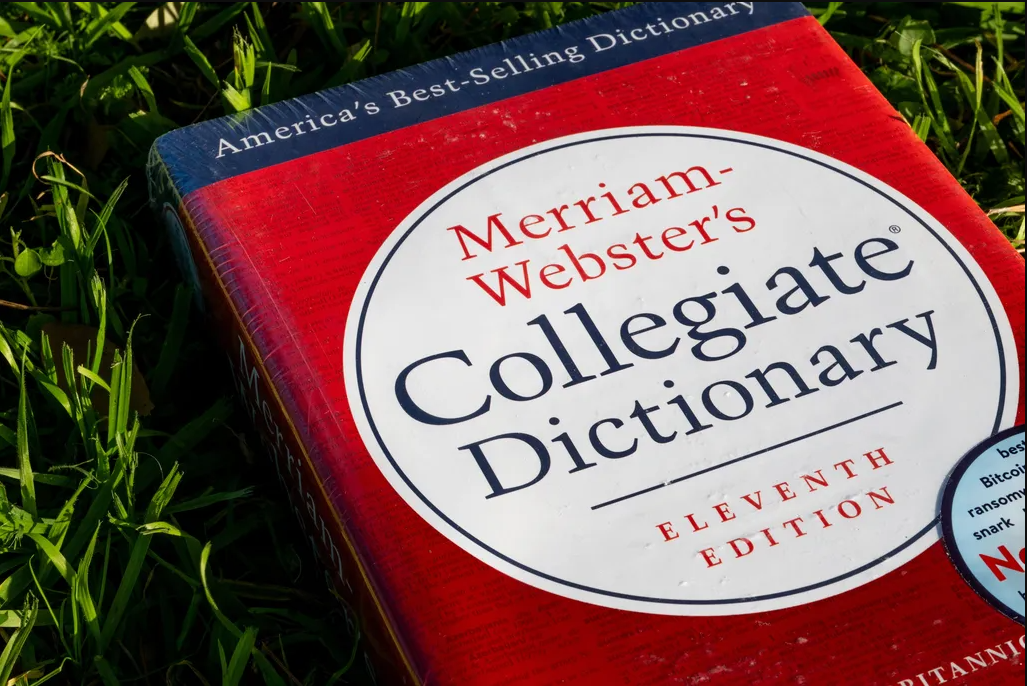
Basically, the Dictionary Definition of “AI Lawsuit”
Britannica and Merriam-Webster sued OpenAI for copyright infringement and added a Lanham Act claim alleging that ChatGPT’s hallucinations, when attributed to their brands, constitute false designation of origin.

Gracenote Sues OpenAI, and the Evidence Is in the Database Schema
Gracenote sues OpenAI for copying not just its media metadata, but the proprietary relational framework that organizes it. The complaint deploys established compilation copyright doctrine in a new context: as evidence that OpenAI's models encoded the protectable structure of a curated database, not just the data values.
When Winning the Battle Risks Losing the War: xAI’s Trade Secret Case Against OpenAI Dismissed
The ruling underscores that no matter how egregious an employee’s conduct, a trade secret claim under the Defend Trade Secrets Act (“DTSA”) requires allegations that the defendant acquired, induced, or used the stolen information, not just that it hired the people who took it.