

The U.S. Supreme Court Reverses a $1 Billion Copyright Verdict and, Arguably, Renders the DMCA Safe Harbor Obsolete
The Supreme Court unanimously reversed a $1 billion copyright verdict against Cox Communications, holding that an ISP is not contributorily liable for its subscribers’ infringement merely because it continues to serve known infringers. The decision also may have rendered the DMCA safe harbor obsolete.
Basically, the Dictionary Definition of “AI Lawsuit”
Britannica and Merriam-Webster sued OpenAI for copyright infringement and added a Lanham Act claim alleging that ChatGPT’s hallucinations, when attributed to their brands, constitute false designation of origin.

Gracenote Sues OpenAI, and the Evidence Is in the Database Schema
Gracenote sues OpenAI for copying not just its media metadata, but the proprietary relational framework that organizes it. The complaint deploys established compilation copyright doctrine in a new context: as evidence that OpenAI's models encoded the protectable structure of a curated database, not just the data values.
When Winning the Battle Risks Losing the War: xAI’s Trade Secret Case Against OpenAI Dismissed
The ruling underscores that no matter how egregious an employee’s conduct, a trade secret claim under the Defend Trade Secrets Act (“DTSA”) requires allegations that the defendant acquired, induced, or used the stolen information, not just that it hired the people who took it.
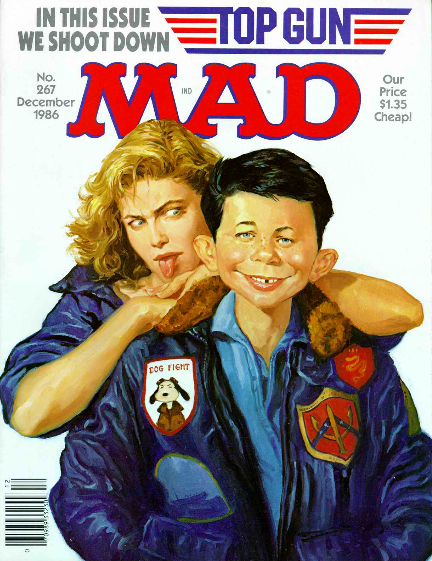
Can a Screenwriter Copyright a Sequel He Was Not Hired to Write?
Judge Rakoff ruled that a writer who secretly contributed scenes to Top Gun: Maverick could not copyright his work because the scenes he claimed to have written were unauthorized derivative works built on Paramount’s IP. Worse, Paramount’s counterclaims for infringement and fraud are now set to go to trial.

Federal Court Rules that a Litigant’s AI Materials Are Protected Work Product
A federal magistrate judge in Michigan ruled that a pro se plaintiff’s AI-generated litigation materials are protected by the work product doctrine, and that using ChatGPT does not waive that protection. The decision creates a direct split with the Southern District of New York’s ruling in United States v. Heppner on the same issue, issued on the very same day.