


Federal Court Rules that a Litigant’s AI Materials Are Protected Work Product
A federal magistrate judge in Michigan ruled that a pro se plaintiff’s AI-generated litigation materials are protected by the work product doctrine, and that using ChatGPT does not waive that protection. The decision creates a direct split with the Southern District of New York’s ruling in United States v. Heppner on the same issue, issued on the very same day.
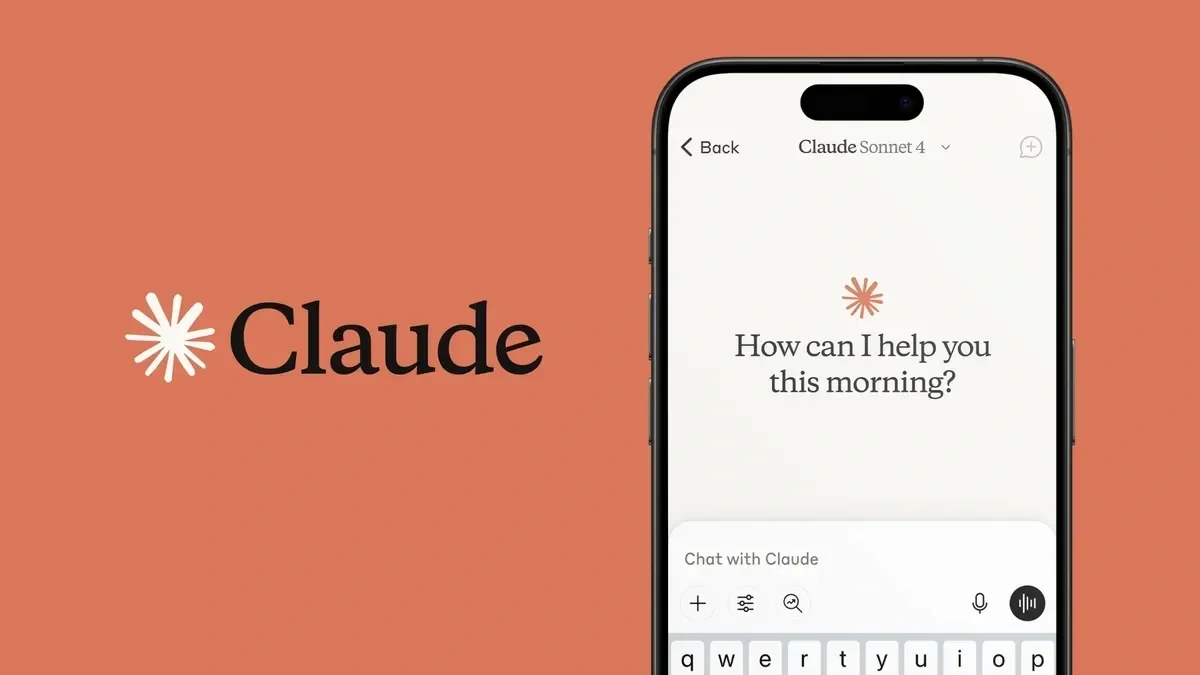
Federal Court Rules that a Client’s AI Conversations Are Not Privileged
On February 10, 2026, Judge Jed Rakoff of the Southern District of New York ruled that documents a criminal defendant generated using Anthropic's Claude AI are neither protected by the attorney-client privilege nor the work product doctrine.

Disney Files a Blockbuster Complaint Against Midjourney
On June 11, 2025, the mouse (Disney Enterprises), along with co-plaintiffs Marvel Characters, Lucasfilm, Twentieth Century Fox Film Corporation, Universal City Studios, and DreamWorks Animation, filed a lawsuit for copyright infringement against AI image generator Midjourney, Inc. in the United States District Court for the Central District of California. Disney Enterprises, Inc., et al. v. Midjourney, Inc.; C.D. Cal. Case No. 2:25-cv-05275.

The Ninth Circuit Finds that the Ford Mustangs Named “Eleanor” from the Gone in 60 Seconds Films Are Not Copyrightable Characters
In a blow to the owners of the rights to the film Gone in 60 Seconds, the Ninth Circuit Court of Appeals has held that “Eleanor”—the series of Ford Mustangs featured in the film franchise—is not a character entitled to copyright protection. The May 27, 2025, decision in Carroll Shelby Licensing, Inc. v. Halicki, 2025 U.S. App. LEXIS 12766, F.4th (9th Cir. 2025), clarifies the high bar for a fictional “character” to be independently copyrightable, particularly when that character is an inanimate object.

Rethinking “Express Aiming”: The Ninth Circuit’s Briskin v. Shopify Decision Shakes Up Personal Jurisdiction for Online Defendants
The Ninth Circuit, sitting en banc, has significantly altered the landscape for establishing specific personal jurisdiction over out-of-state defendants operating online. In its April 21, 2025, decision in Briskin v. Shopify, Inc., 2025 U.S. App. LEXIS 9410, 135 F.4th 739, 2025 WL 1154075 (9th Cir. 2025), the court overruled a key aspect of its prior jurisprudence, making it potentially easier for plaintiffs to sue online businesses in their home forums.

The Ninth Circuit Affirms Order Dismissing Complaint for Copyright Infringement
In Woodland v. Hill, No. 23-55418, 2025 U.S. App. LEXIS 11911, — F.4th —, 2025 WL 1417103 (9th Cir. May 16, 2025), the Ninth Circuit Court of Appeals, in a published decision, affirmed the dismissal with prejudice of a copyright complaint. In the process, it offered some interesting observations on the access element of copyright infringement in light of evolving technology.